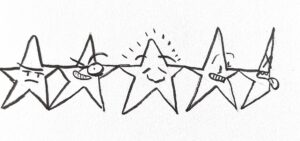
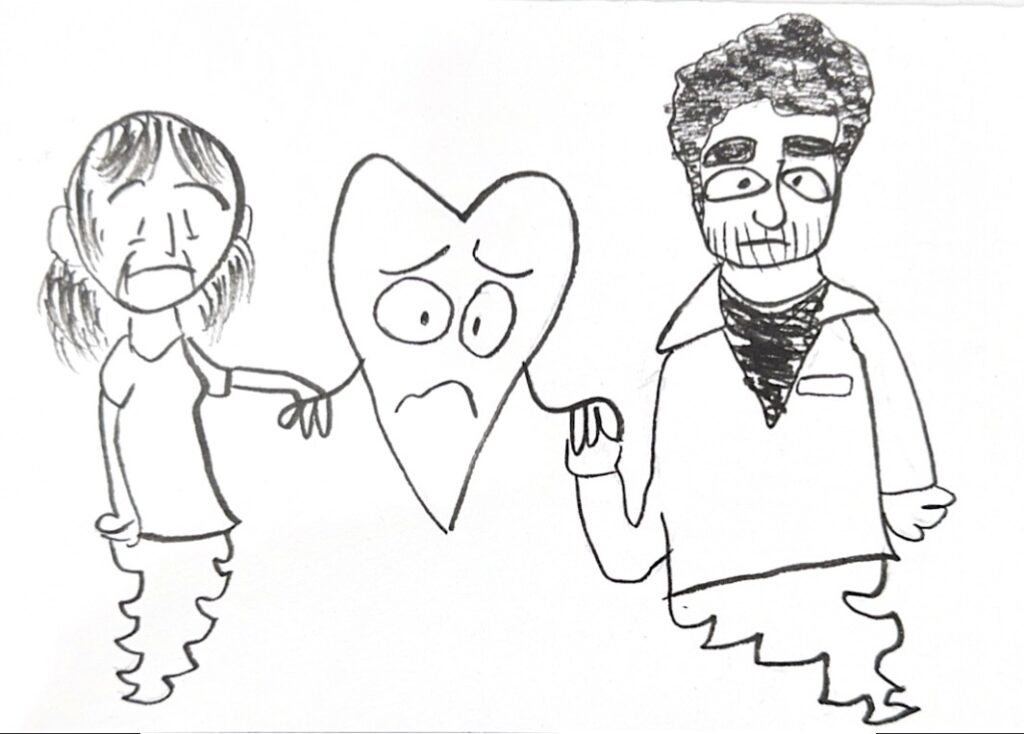
Loneliness destroys cognition: the same thought can fold in on itself again and again and again until the mind is at capacity. Then, inevitably, a shedding. As the limit approaches, maybe an explosion—What value is there in an eternity alone? And what good is a life of endless eulogy?
Oh, that place again. Day in and day out, you learn to call it grief. You schedule an excursion into the abyss between appointments and virtual calls, a formal feeling between dinner and dessert. Once a certain loss occurs, grief is an unabridged, unnegotiable reality.
–
Time becomes unstuck when I speak to you as if you are still here. To my detriment, I am left with a people everyday more unwilling to remember the dead. I am not afraid to remember death to honor love.
I lost you when I was nineteen years old, and in my second adolescence still found that the greatest drug of them all was to cry, cry, and cry—but not let anyone else’s fears make me feel small. I walk myself to the sink, rinse my face, and carry on like you taught me, summoning me back to study the inflammation around my eyes. You would say “take some deep breaths,” and I would obey.
I am still a rebellious child, struggling with the mechanisms of my mind, and now I am also my father, reminding myself to breathe. This morning I was my mother, bathing myself in a larger version of the kitchen sink, and later today I hope to be my late best friend, who I honor when I am mindful of my thoughts, and when I allow joy into my life.
–
This past Mother’s Day, though she is still with us, I honored my mother by caring for her beloved creation (myself) so that her will can carry on long after we have said goodbye. I caught up on the sleep I lost at her bedside, holding her hand until she became ambulatory, asserting her right to use the restroom unassisted.
At the hospital last month, in front of myself, my brother Freddy, Resident Nurse Diana, Licensed Social Worker Emily, and a virtual Spanish language interpreter who was wheeled in on a mounted tablet and bore a startling resemblance to Luigi Mangione, mother indicates her advance directives. Ravaged from the fall, the broken ribs, the subsequent intubation, mother could not read. The document is dictated to her slowly, in English then Spanish. Mechanical ventilation. Assisted feeling. Cardiopulmonary resuscitation. She refuses all future life-sustaining treatment.
We are bound to this healthcare decision like a Starfleet officer unable to refute the Prime Directive. Don’t worry about it; Freddy would get the reference. At some point, he and I non-verbally negotiate a shared knee-jerk reaction to reject the absurd gravity of the situation. On either side of the hospital bed, your children snicker like kids who are in trouble. We are, aren’t we?
The workers are gracious. We are soon given privacy. Before then, before the argument erupts, before the shouting match over the phone, with Luis Mecha-gione and his handlers still in earshot, we laugh.
I’m sorry dad. It’s her we get our irreverence from. We respect our mother’s living will, which, momentarily, leaves little respect for everything else